Volunteer work is one of the most powerful and often overlooked tools for lasting recovery. When you first step into a substance-free lifestyle, the early days can feel disorienting. The structure that once revolved around using is gone, and in its place is a space that needs to be filled with something meaningful.
However, by giving your time and energy to others, you gain something in return: purpose, connection, and a sense of belonging that can anchor you through even the hardest seasons of long-term recovery.
Here’s why service work in recovery works, how it builds the confidence and mental wellness you need to stay the course, and where you can find volunteer opportunities that align with your recovery lifestyle, including right here at Camp Sober Fest.
Isolation becomes a habit, and habits are hard to break, even after the substance is out of the picture. Volunteering is a direct antidote to that pattern. When you show up for others, the walls crumble down, and what replaces them is something far more sustaining.
Here’s what that looks like:
When substance use is removed, the absence of purpose in recovery can feel like a crisis. Being a volunteer helps replace that void.
And here is something worth noticing: the more you serve, the more capable you realize you are. That realization runs much deeper than motivation. It is confidence, rebuilt from the ground up.
Recovery has a way of revealing how much you are capable of when you are not numbing yourself. But that revelation does not always arrive on its own. Sometimes you have to put yourself in situations that draw it out, and volunteering does exactly that.
The skills you develop through service are not abstract. They show up quickly, and they stick:
One of the subtler casualties of substance use is how you see yourself. Broken promises, missed moments, and choices you are not proud of can erode your self-image in ways that are hard to name and even harder to undo. Giving back in recovery is one of the most direct paths back to a self you can respect.
That growing sense of self-trust does not stay contained to your volunteer work. It lays the groundwork for the kind of inner stability that protects your mental health in ways that go far deeper than willpower alone.
The Mayo Clinic Health System identifies volunteering as a meaningful contributor to lower stress levels and improved health. When you focus your attention on helping someone else solve a problem or meet a need, the internal noise tends to quiet down.
You step out of the cycle of anxious self-monitoring that can be a constant companion in early recovery and into a mode of presence and engagement.
Mental wellness in recovery is about building a life that feels worth living. Service gives you a reason to get out of your own head, and that shift in perspective has a measurable effect on how you feel.
Research published in peer-reviewed literature confirms what many in recovery have known for years: social connection is a protective factor in mental health and substance use recovery. Volunteering creates the conditions for that connection to happen naturally.
When you serve alongside others, you develop gratitude for your own progress, for the support around you, and for the opportunity to be useful. You experience belonging, which is something that substance use slowly strips away. And you become embedded in a community that holds memory of who you are when you are at your best. That kind of community engagement is a form of protection that no prescription can replicate.
The benefits do not stop at how you feel in the moment: the routines you make, the relationships you invest in, and the commitment you practice through service stack up into a foundation sturdy enough to hold your sobriety for the long haul.
Structure is underrated in recovery discussions. When your days have no shape, your mind fills the gaps with whatever is loudest, and that can be dangerous.
Volunteers in recovery settings often operate on schedules: weekly commitments, event dates, and team check-ins. That regularity builds a healthy routine into your recovery lifestyle without it feeling imposed. You are not following a treatment schedule but showing up because people need you there. That distinction is important psychologically, and it makes the habit stick.
Consistency is the backbone of long-term recovery, and accountability is the backbone of consistency. When you are part of a volunteer team, a recovery fellowship, or a community organization, your presence and commitment are visible to other people.
That kind of external accountability backs the internal commitment you have already made to your sobriety.
Purpose-driven living, where your daily actions connect to something larger than your immediate comfort, is one of the most reliable predictors of sustained recovery.
The communities, events, and organizations that make this kind of recovery community service possible are already out there and actively looking for people like you to be a part of it.
You do not have to look far to find places where your time and energy are welcome. Local recovery houses, outreach organizations, community centers, and peer support programs are often run on volunteer power.
Sober living activities organized through these groups offer a chance to build relationships with people who understand where you have been and where you are trying to go.
Recovery events California and nationwide often rely on volunteers to make them happen. Whether you are helping set up chairs before a meeting, coordinating a sober social event, or mentoring someone in early recovery, each act of service strengthens the sober community around you. Recovery community service is not a one-size-fits-all commitment. You can go in a single afternoon and start from there.
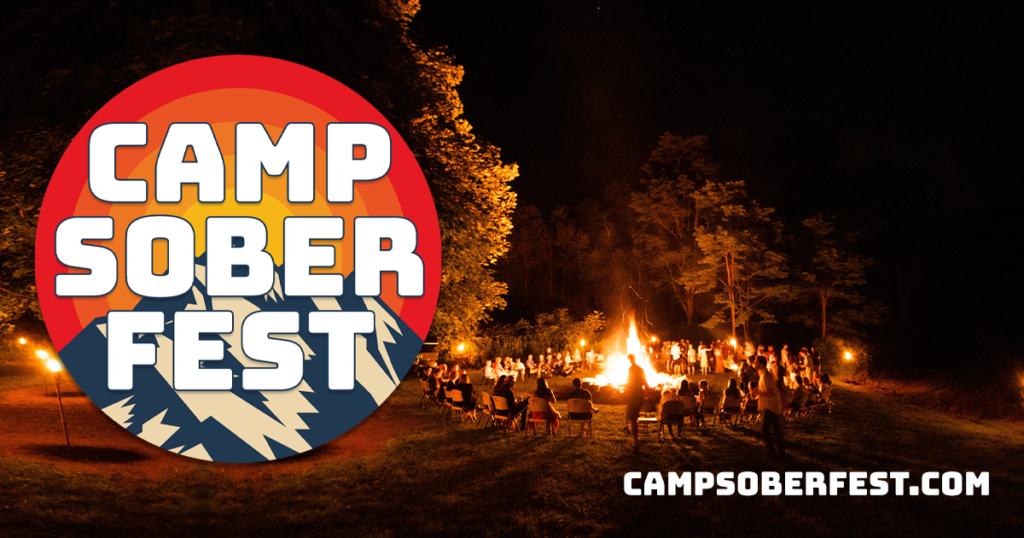
Camp Sober Fest is one of the most dynamic sober community events in the country. It’s a multi-day outdoor experience designed to celebrate recovery fellowship, fun, and the kind of connection that sustains sobriety. And behind every great event are the people who make it happen.
Check out upcoming Camp Sober Fest events to see where you might fit in, or explore the California 2026 and Texas 2027 events now taking shape. Whether you are helping with event logistics, welcoming attendees, supporting activities on the ground, or contributing your professional skills behind the scenes, your involvement makes the experience better for everyone.
If you want to stay connected and be among the first to hear about volunteer opportunities, early registration, and community updates, join the Camp Sober Fest mailing list. Being in the loop means you never miss a chance to get involved.
One of the most common reasons people do not volunteer is the belief that they do not have enough to offer: enough time, enough skill, enough energy. That belief is worth examining.
Volunteering does not require a resume, a credential, or a large block of free time. It requires showing up. The benefits of volunteering do not scale with the number of hours you log. They accumulate through the habit of giving, however small. An hour a week of genuine service produces real change: in you, in the people you serve, and in the community you are both part of.
Start where you are. Offer what you have. And be consistent, because consistency matters far more than volume. Those small acts of service compound into something that reshapes your identity, deepens your recovery, and strengthens the community around you.
If you still have questions about how volunteering fits into a recovery lifestyle, or where to begin, below are some of the most common questions people ask before taking that first step.
Volunteering provides structure, purpose, and connection, which are essential to sustained recovery. It helps fill the void left by substance use with something meaningful, and it builds a network of accountability that supports your sobriety over the long term.
Every time you show up, follow through, and contribute to something bigger than yourself, you reinforce a positive self-image. Building confidence in recovery happens through action, and volunteer opportunities give you a steady stream of moments to prove to yourself that you are reliable, capable, and valuable.
Yes. Service work in recovery creates healthy routines, builds accountability, and gives you a purpose-driven reason to stay committed. Research and lived experience both point to community engagement as a meaningful recovery factor in the long-term.
Mental health improves through volunteering because service shifts focus outward, reduces stress and anxiety, and creates genuine human connection. Gratitude, belonging, and a sense of accomplishment are all natural byproducts of giving back in recovery.
Start by looking at local recovery houses, peer support programs, and community organizations. You can also explore recovery events California and beyond through platforms like Camp Sober Fest.
Visit Camp Sober Fest to explore upcoming events, including California 2026 and Texas 2027. You can also subscribe to the mailing list to get updates on volunteering opportunities, early access to registration, and community news.
Volunteering is not an add-on to your recovery program. It is one of the most direct paths to the confidence, connection, and purpose that make long-term healing not just possible, but genuinely worthwhile.
If you are looking for ways to build confidence, deepen your bonds, or find your place in a sober community that is actively thriving, just start with one opportunity. One afternoon. One yes.
And if you want to experience what a true recovery community looks and feels like, join us at Camp Sober Fest. Whether you come as a guest, a participant, or a volunteer, you belong here.
Register for an upcoming event, explore Camp Sober Fest registration for California 2026 or Texas 2027, and subscribe for updates so you never miss what’s next.
You can also read more about related recovery topics on the Camp Sober Fest blog, including how to build confidence in recovery and what to do when you are feeling bored in sobriety.
Service changes lives. It might just change yours.